

Complete Palm Tree Care Guide: Expert Maintenance, Trimming & Health Tips for Palm Beach County Homeowners and Businesses [2024]
Palm trees are a vital part of the landscape in Palm Beach County, providing aesthetic appeal and environmental benefits. Proper care and maintenance are essential to ensure their health and longevity. This comprehensive guide will cover expert tips on palm tree maintenance, trimming, and health, helping homeowners and businesses alike to keep their palms thriving. Many property owners struggle with the unique challenges of palm tree care, from disease management to proper watering techniques. This guide aims to provide solutions and actionable insights to enhance the health of your palm trees. We will explore essential topics, including trimming practices, disease management, optimal fertilization schedules, hurricane preparation, and when to seek professional help from Tree Maid.
How Do You Properly Trim Palm Trees to Maintain Health and Safety?
To properly trim palm trees and maintain their health and safety, it is essential to remove dead or dying fronds. This not only improves the tree’s appearance but also reduces the risk of disease and pest infestations. It is advisable to consult with certified arborists who can assess the specific needs of the palm tree species and utilize advanced techniques for trimming. Regular trimming helps promote healthy growth and ensures the safety of surrounding areas by preventing falling fronds.
When Is the Best Time to Trim Palm Trees in South Florida?
The best time to trim palm trees in South Florida is during the late winter to early spring months. This timing allows the tree to recover quickly as it enters its growing season. Trimming during this period minimizes stress on the tree and reduces the risk of disease. Additionally, avoiding trimming during hurricane season is crucial, as it can leave trees vulnerable to storm damage.
What Are Safe Palm Frond Removal Techniques to Avoid Over-Pruning?
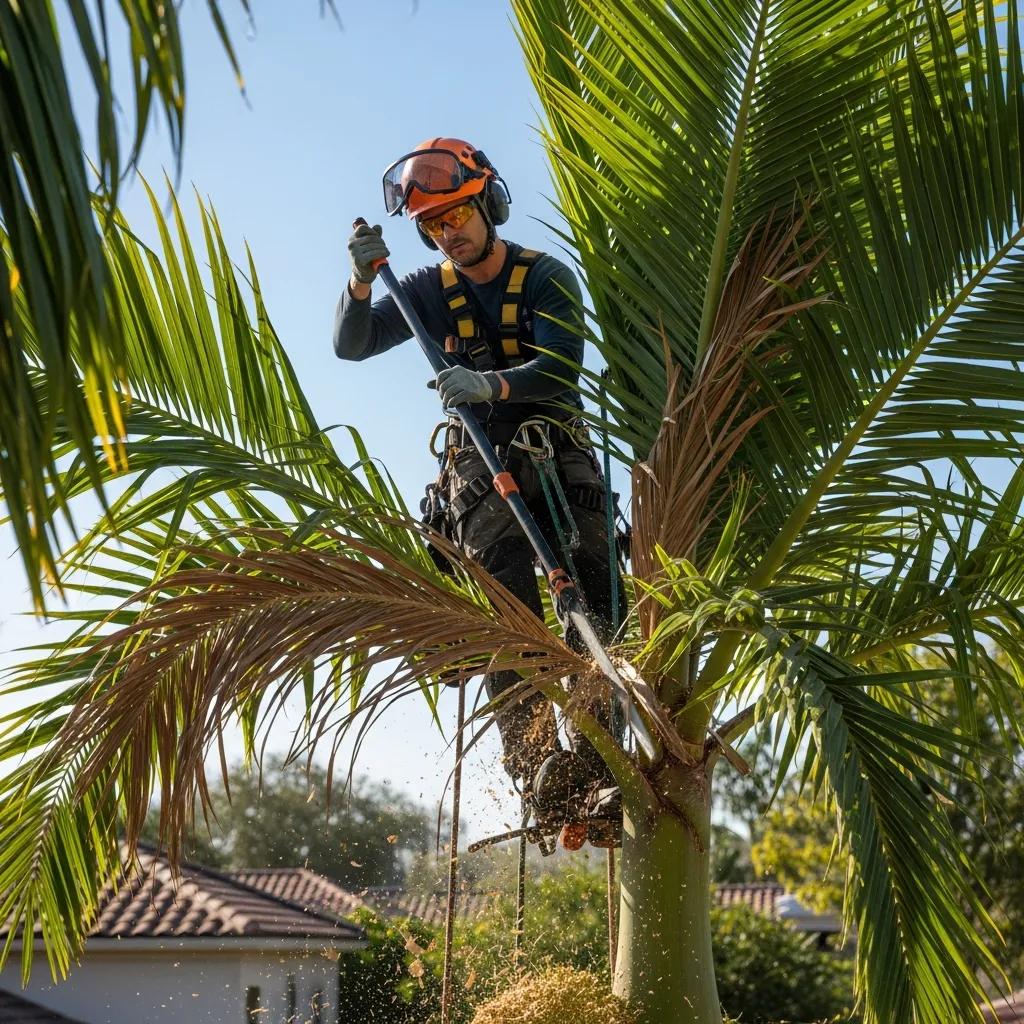
Safe palm frond removal techniques include selectively removing only the fronds that are brown or dead, while leaving healthy green fronds intact. Over-pruning can stress the tree and lead to health issues. It is important to use sharp, clean tools to make precise cuts and avoid damaging the trunk. Consulting with professionals can ensure that the trimming is done correctly and safely.
How Can You Identify and Manage Common Palm Tree Diseases in Florida?
Identifying and managing common palm tree diseases is crucial for maintaining the health of your palms. Florida’s climate can foster various diseases that affect palm trees, making it essential for homeowners to be vigilant.
What Are the Symptoms and Causes of Lethal Bronzing and Fusarium Wilt?
Lethal Bronzing is characterized by the progressive yellowing and bronzing of fronds, followed by the death of the tree. Fusarium Wilt presents symptoms including wilting, yellowing, and browning of leaves, often starting on one side of the palm. Both diseases are caused by specific pathogens: Lethal Bronzing by a phytoplasma and Fusarium Wilt by the fungus Fusarium oxysporum f. sp. palmarum. These pathogens can be spread through contaminated tools, insect vectors (in the case of Lethal Bronzing), or soil. Early detection is key to managing these diseases effectively.
Research highlights the importance of early detection for phytoplasma-related diseases like Lethal Yellowing, which shares similarities with Lethal Bronzing.
Early Detection of Lethal Yellowing Phytoplasma in Palms
Lethal disease (LD), a phytoplasma lethal yellowing-type disease of coconut palms, is the major threat to coconut cultivation in the coastal areas of Tanzania. Two molecular approaches have been developed for early and accurate disease diagnosis. By use of these techniques infection could be reliably detected in the spear leaves and root tips of affected palms thereby avoiding destructive palm sampling. The pathogen was found in all meristematic tissues with highest concentrations of phytoplasmas in the petioles of young unemerged leaves, the area below the growing point and the root tips in palms with moderately advanced diseases symptoms. Root tips proved reliable for sampling when compared to spears, and are now recommendet do be sampled together with the spears in routine, non-destructive sampling. Phytoplasmas could be detected in symptomless palms one month before the onset of disease symptoms by use of DNA probes and two months before by PCR, when spear leaves were sampled monthly from
Molecular methods for detecting the coconut lethal disease (LD) phytoplasma in Tanzania, 1997
How Do You Prevent and Treat Palm Tree Diseases and Pests?
Preventing palm tree diseases involves maintaining proper care practices, such as regular watering, fertilization, and monitoring for pests. Treatment may include the application of approved fungicides or insecticides, depending on the specific disease or pest. For Lethal Bronzing, treatment options are limited, but insecticide applications can help control the insect vectors. Consulting with a professional arborist can provide tailored solutions for effective management.
What Is the Optimal Fertilization and Watering Schedule for Palm Trees in Palm Beach County?
Fertilization and watering are critical components of palm tree care. Understanding the specific needs of your palm species can help ensure optimal growth and health.
Which Nutrients Are Essential for Healthy Palm Growth?
Essential nutrients for healthy palm growth include nitrogen, potassium, magnesium, and manganese. These nutrients support overall health, promote growth, and enhance the tree’s ability to withstand stress. Regular soil testing can help determine nutrient deficiencies and guide fertilization practices.
How Often Should You Fertilize and Water Established and Young Palms?
Established palms typically require fertilization every 8-12 weeks during the growing season, while young palms may need more frequent applications. Watering should be done deeply and infrequently, allowing the soil to dry out between waterings. This approach encourages deep root growth and helps prevent overwatering.
How Do You Prepare Palm Trees for Hurricane Season and Recover After Storms?
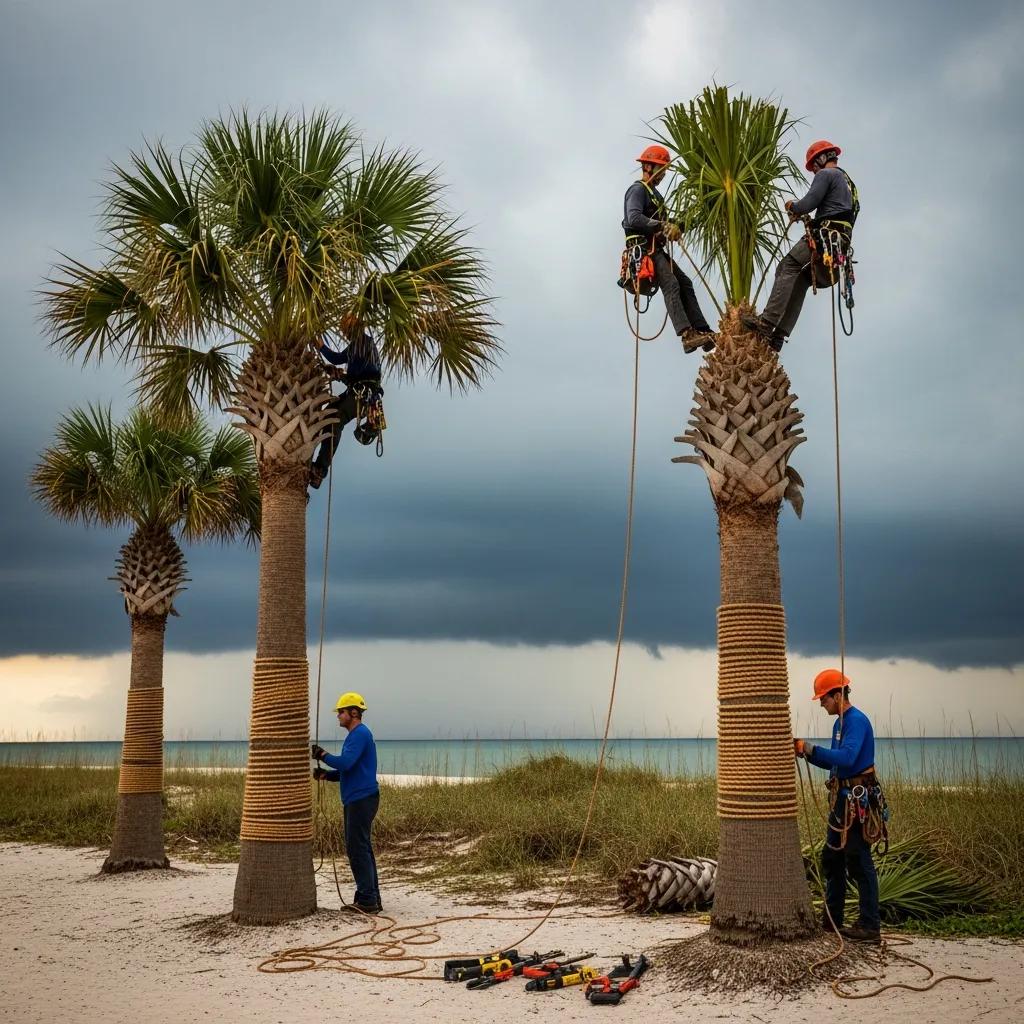
Preparing palm trees for hurricane season is essential to minimize damage and ensure their survival during storms. Proper care before and after storms can significantly impact the health of your palms.
What Are the Best Practices for Pre-Storm Palm Tree Trimming and Securing?
Best practices for pre-storm palm tree trimming include removing dead fronds and securing loose branches. This preparation helps reduce wind resistance and the risk of damage during storms. Additionally, ensuring that the tree is healthy and well-watered before a storm can improve its resilience.
How Should You Assess and Care for Palms Post-Hurricane?
Post-hurricane care involves assessing the damage to the tree and removing any broken or damaged fronds. It is important to monitor the tree for signs of stress or disease following a storm. Providing adequate water and nutrients can help the tree recover more quickly.
When Should You Call Tree Maid for Professional Palm Tree Care Services?
You should call Tree Maid for professional palm tree care services when you need palm tree trimming, tree health assessments, or if you’re preparing for storms and hurricanes. They also offer expert tree removal services and site cleanup after tree services.
What Complex Palm Care Issues Require Expert Arborist Intervention?
Complex palm care issues that require expert intervention include severe disease infestations, structural problems, or extensive damage from storms. Professional arborists can provide the necessary expertise to diagnose and treat these issues effectively.
What Services Does Tree Maid Offer for Palm Tree Maintenance and Health Assessments?
Tree Maid offers the following services for palm tree maintenance and health assessments:
- Tree Health Assessment – Evaluating the health of palm trees.
- Palm Tree Trimming – Trimming palm trees to promote growth and aesthetics.
- Disease Management – Identifying and treating common palm diseases.


No responses yet