Palm Tree Disease Treatment Near Me in Boynton Beach — Symptoms, Causes & Professional Fixes
The palm trees lining Boynton Beach Boulevard, shading homes in Indian Spring, and creating tropical appeal throughout Canyon Lakes are under constant attack. Not from storms or neglect, but from diseases that can turn healthy palms into eyesores – or worse, safety hazards. Palm tree disease treatment in Boynton Beach has become essential as fungal infections, nutritional deficiencies, and lethal diseases spread through South Florida.
Many homeowners don’t realize their palms are sick until fronds turn yellow, trunks show decay, or the entire crown collapses. By then, treatment options may be limited and expensive. Early detection and proper treatment can save palms that would otherwise need removal, protecting both your landscape investment and property values.
Tree Maid is a fully insured tree service based in Lake Worth Beach and serving Boynton Beach and all of Palm Beach County. This guide covers the most common palm diseases in our area, how to spot them early, and what treatment options can save your palms.
Tree Removal • Palm Trimming • Tree Cutting • Palm Tree & Stump Removal
5-STAR REVIEWS •FULLY INSURED •100% SATISFACTION PROMISE
Common Palm Diseases in Boynton Beach
Boynton Beach’s humid climate, sandy soils, and mix of palm species create ideal conditions for several diseases. Understanding what threatens your palms is the first step in protection.
Lethal Yellowing (LY) is perhaps the most feared palm disease in South Florida. This bacterial infection, spread by planthoppers, kills susceptible palms within months. Coconut palms, Date palms, and several other species common from Leisureville to Hunters Run are vulnerable. Symptoms start with fruit drop, then lower fronds yellow and die rapidly, progressing up the palm until the spear leaf collapses.
Texas Phoenix Palm Decline (TPPD) affects Canary Island Date palms, Sylvester palms, and others popular in Boynton Beach landscapes. Like Lethal Yellowing, it’s caused by bacteria and spread by insects. The disease causes premature fruit drop, flower death, and progressive frond yellowing. Without treatment, infected palms die within months.
Ganoderma Butt Rot is a fungal disease that literally rots palms from the inside out. It affects all palm species and is particularly common in older palms throughout established Boynton Beach neighborhoods. The fungus produces distinctive shelf-like structures (conks) on the trunk, but by then, internal damage is extensive. Infected palms become structurally unsafe and can fall without warning.
Frizzle Top is a manganese deficiency common in Royal palms, Queen palms, and Pygmy Date palms growing in Boynton Beach’s alkaline soils. New fronds emerge yellow, withered, and “frizzled,” eventually turning brown while older fronds remain green. Without treatment, growth stops and palms decline.
Palm Nutritional Deficiencies are epidemic in South Florida. Our sandy soils don’t hold nutrients well, leading to potassium, magnesium, and micronutrient deficiencies. Symptoms include yellow spots on older fronds, orange or yellow discoloration, and premature frond death.
Early Warning Signs to Watch For
Catching palm diseases early dramatically improves treatment success. During regular property walks in your Boynton Beach neighborhood, look for:
- Abnormal Yellowing Patterns: Healthy palms shed oldest fronds first. If younger fronds yellow while older ones stay green, disease may be present.
- Premature Nut or Fruit Drop: Coconuts or dates falling before maturity often indicate Lethal Yellowing or TPPD.
- Trunk Abnormalities: Soft spots, oozing, conks (shelf fungus), or hollow sounds when tapped suggest internal rot.
- Frond Tip Problems: Frizzled, withered, or scorched-looking new growth indicates nutritional issues.
- Overall Decline: Reduced frond size, slower growth, or sparse crowns signal underlying problems.
- One-Sided Death: When half the crown dies while the other remains green, root diseases or trunk problems are likely.
Professional Disease Diagnosis
Accurate diagnosis is crucial for palm tree disease treatment in Boynton Beach. Many problems look similar but require completely different approaches.
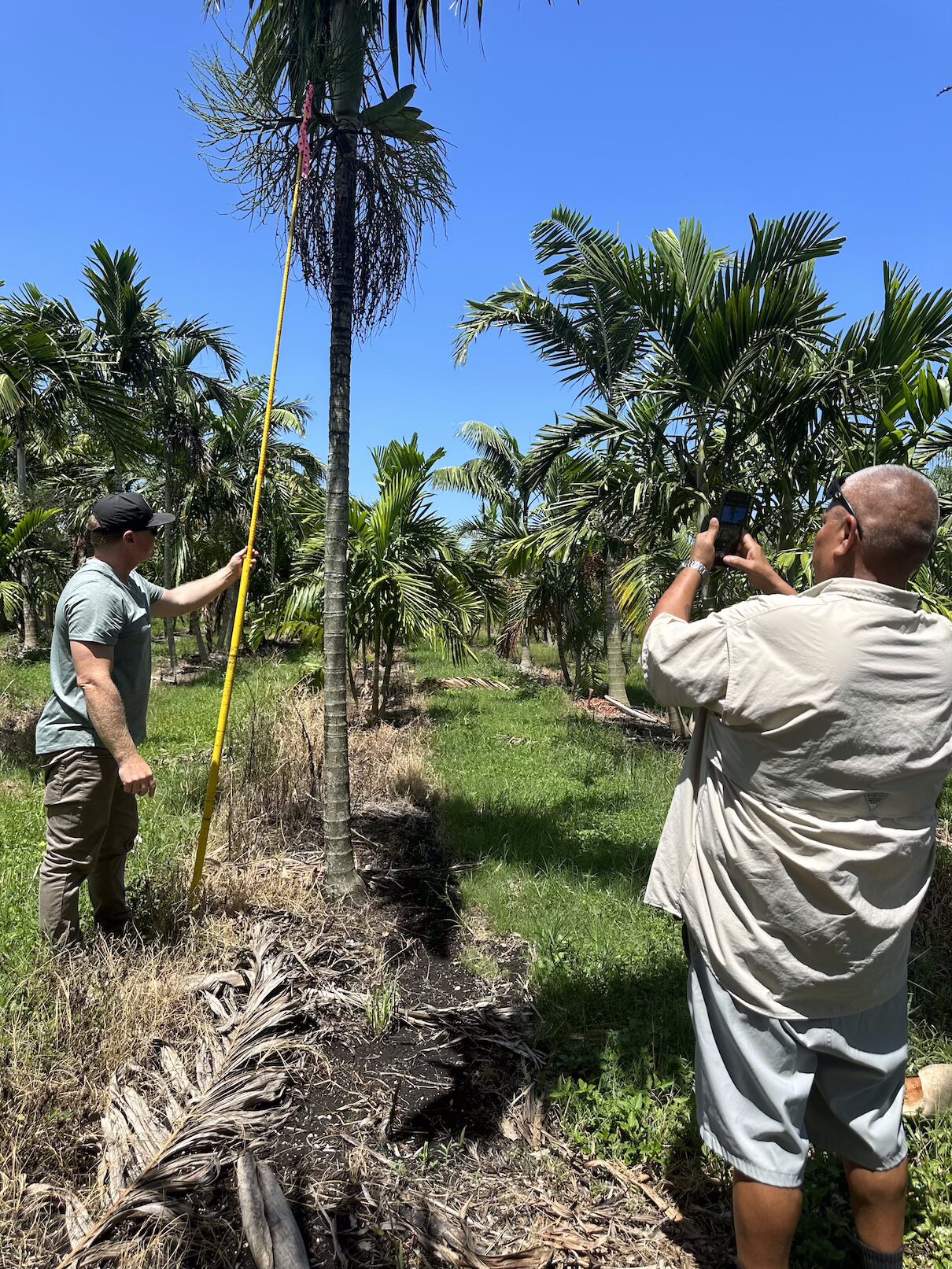
Tree Maid’s assessment process includes:
- Visual inspection of symptoms, patterns, and progression.
- We examine the entire palm, from root zone to crown, noting any abnormalities.
- Species identification matters because susceptibility varies.
- A Coconut palm with yellowing needs different consideration than a Sabal palm with similar symptoms.
- Site evaluation looks at irrigation, drainage, recent construction, or chemical applications that might contribute to problems.
For complex cases, we may recommend laboratory testing. Samples can confirm specific pathogens and guide treatment selection.
Treatment Options for Palm Diseases
Once diagnosed, palm tree disease treatment in Boynton Beach varies by problem:
Lethal Yellowing and TPPD Treatment: Antibiotic injection is the only effective treatment. Oxytetracycline HCl is injected directly into the trunk every three to four months. Treatment must begin before symptoms advance too far and continue for the palm’s lifetime. Success rates are good when caught early.
Nutritional Deficiency Correction: Specialized palm fertilizers address our soil deficiencies. Treatment includes:
– Quarterly applications of 8-2-12+4Mg palm fertilizer
– Manganese sulfate for Frizzle Top
– Foliar micronutrient sprays for quick correction
– Soil amendments to improve nutrient retention
Fungal Disease Management: While Ganoderma can’t be cured, other fungal issues respond to treatment:
– Fungicide applications for leaf spots and bud rots
– Improving air circulation through proper trimming
– Correcting irrigation problems that promote fungal growth
– Removing infected fronds to reduce spread
Preventive Treatment Programs: The best disease treatment is prevention. Regular programs include:
– Prophylactic antibiotic injection for high-value palms
– Quarterly nutritional programs
– Regular inspection for early detection
– Proper pruning to reduce disease entry points
Location-Specific Challenges in Boynton Beach
Different areas of Boynton Beach face unique palm disease challenges:
Coastal Communities near the Intracoastal deal with salt stress that weakens palms and increases disease susceptibility. Extra nutritional support helps palms resist infections.
Golf Course Communities like Indian Spring or Cypress Creek often have irrigation water high in salts and bicarbonates, contributing to nutritional problems and root diseases.
Older Neighborhoods from the Congress Avenue corridor to Federal Highway have mature palms more susceptible to Ganoderma and decline diseases.
New Developments west of Lyons Road may have compacted soils and construction damage that stress palms and invite disease.
The Cost of Disease Treatment vs. Removal
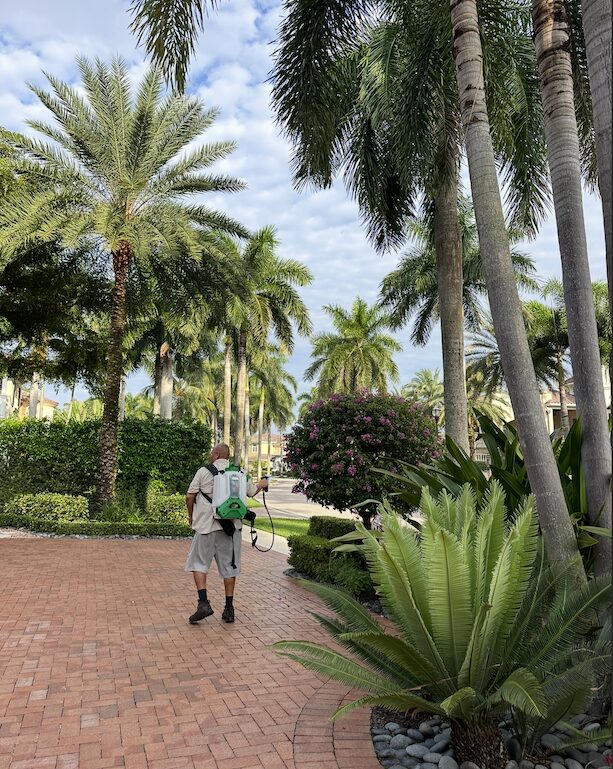
Palm tree disease treatment in Boynton Beach requires weighing costs against benefits:
- Antibiotic Injection Programs cost $50-200 per treatment depending on palm size, required 3-4 times annually. For a prized Coconut palm, this investment preserves significant landscape value.
- Nutritional Programs run $30-100 per palm quarterly but prevent multiple problems and improve appearance.
- Removal and Replacement of a large palm can cost $800-3000+, not including the years needed for a new palm to provide similar benefits.
- Property Value Impact: Mature, healthy palms add thousands to property values. Disease treatment protects this investment.
When Treatment Isn’t Enough
Sometimes, despite best efforts, palm tree disease treatment in Boynton Beach can’t save infected palms.
Signs that treatment won’t succeed include:
- Advanced Ganoderma with extensive trunk decay
- Lethal Yellowing or TPPD with over 50% crown loss
- Multiple diseases are overwhelming the palm
- Structural instability creates safety hazards
In these cases, prompt removal protects property and prevents the spread of disease to healthy palms.
Creating a Disease Management Plan
Effective palm disease management in Boynton Beach requires a comprehensive approach:
- 1. Inventory Your Palms: Know what species you have and their disease susceptibilities.
- 2. Establish Monitoring: Regular inspections catch problems early when treatment works best.
- 3. Implement Prevention: Proper nutrition and care reduce disease susceptibility.
- 4. Budget for Treatment: Plan for ongoing costs rather than emergency expenses.
- 5. Work with Professionals: Expert diagnosis and treatment improve success rates.
Why Professional Treatment Matters
Palm tree disease treatment in Boynton Beach isn’t a DIY project. Professional care provides:
- Accurate diagnosis prevents wasted treatment
- Access to restricted products like injectable antibiotics
- Proper equipment for trunk injection and crown treatment
- Knowledge of the latest treatment protocols
- Integrated management combining treatments
- Documentation for property records
Schedule Palm Disease Treatment in Boynton Beach
If your palms show yellowing fronds, premature fruit drop, trunk abnormalities, or general decline, don’t wait. Early intervention makes the difference between saving and losing valuable palms. Tree Maid is a fully insured tree service based in Lake Worth Beach with extensive experience in palm tree disease treatment throughout Boynton Beach.
Contact Tree Maid for professional disease diagnosis and treatment options. We’ll inspect your palms, identify problems, and develop a treatment plan that protects your landscape investment. From preventive care to emergency intervention, we help keep Boynton Beach’s palms healthy and beautiful.









Tree Removal • Palm Trimming • Tree Cutting • Palm Tree & Stump Removal
5-STAR REVIEWS •FULLY INSURED •100% SATISFACTION PROMISE



No responses yet