Tree & Palm Tree Trimming, Removal, & Maintenance Resources
Palm Beach County | Tree Maid Tree Service
Florida Hurricane Tree Services – Storm Preparation & Damage Prevention
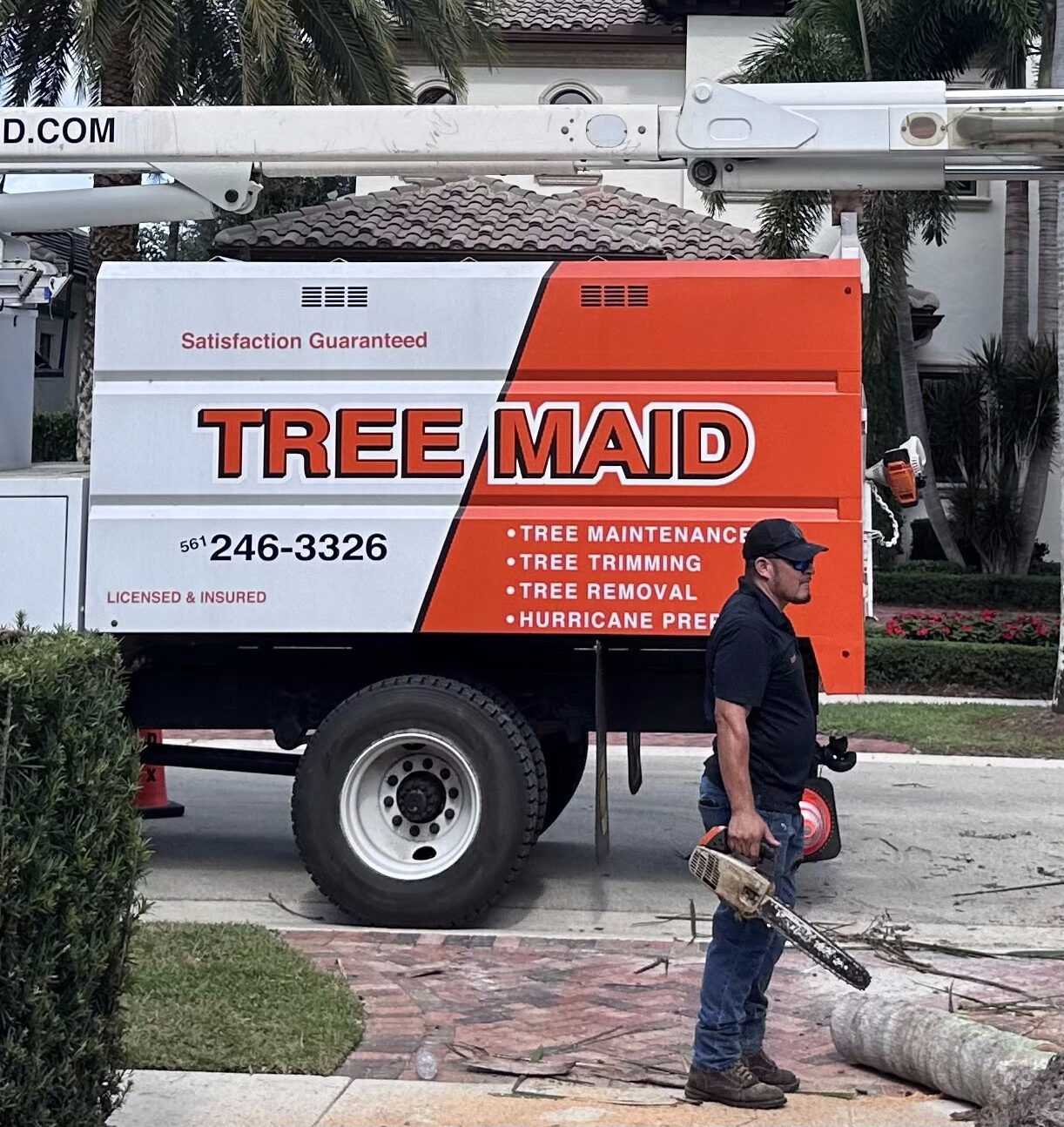
Professional storm preparation protects your trees and property during hurricane season. Tree Maid's hurricane preparation services reduce storm damage risks throughout Palm Beach
Tree Removal Boynton Beach – Stump Removal With Satisfaction Guaranteed
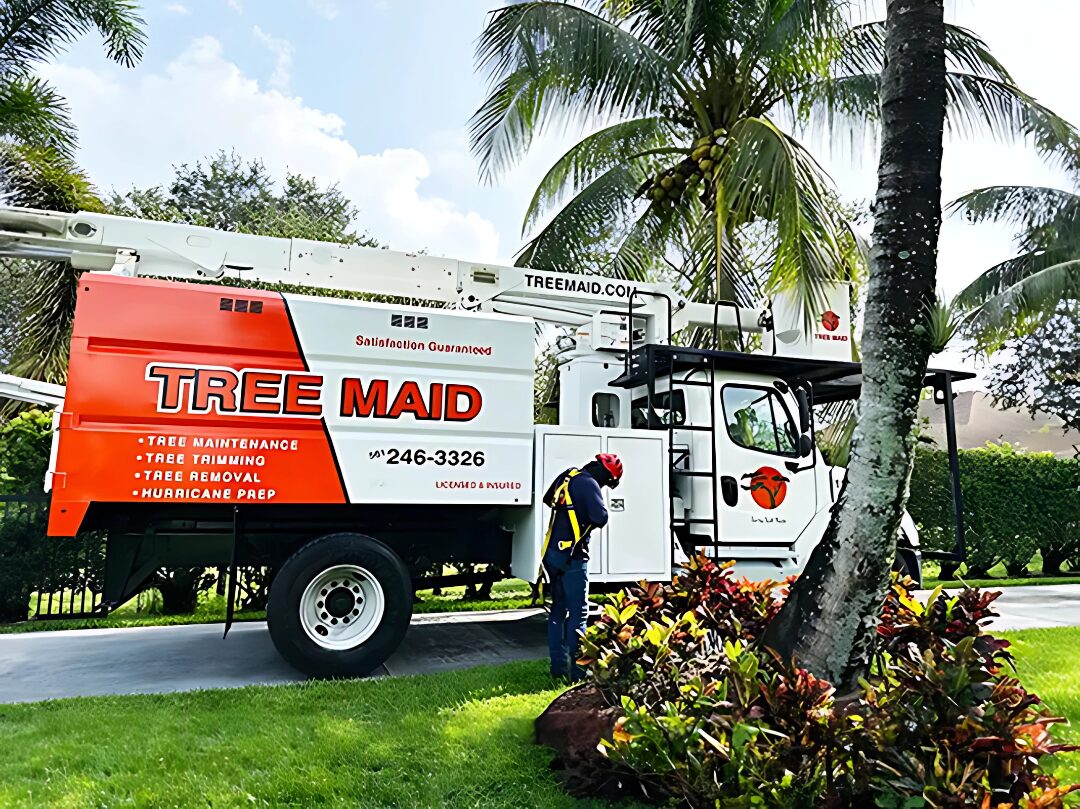
Tree Maid tree removal Boynton Beach for homeowners, businesses, property managers and communities! Enjoy satisfaction promised professional tree care that is fully Insured and[…]
Stumped? Get Professional Tree Removal Lake Worth By Tree Maid
Tree Maid tree removal Lake Worth for homeowners, businesses, property managers and communities! Enjoy satisfaction promised professional tree care that is fully Insured and[…]
Tree Service Delray Beach: When to Prune Palm Trees & How Professional Care Saves $25k
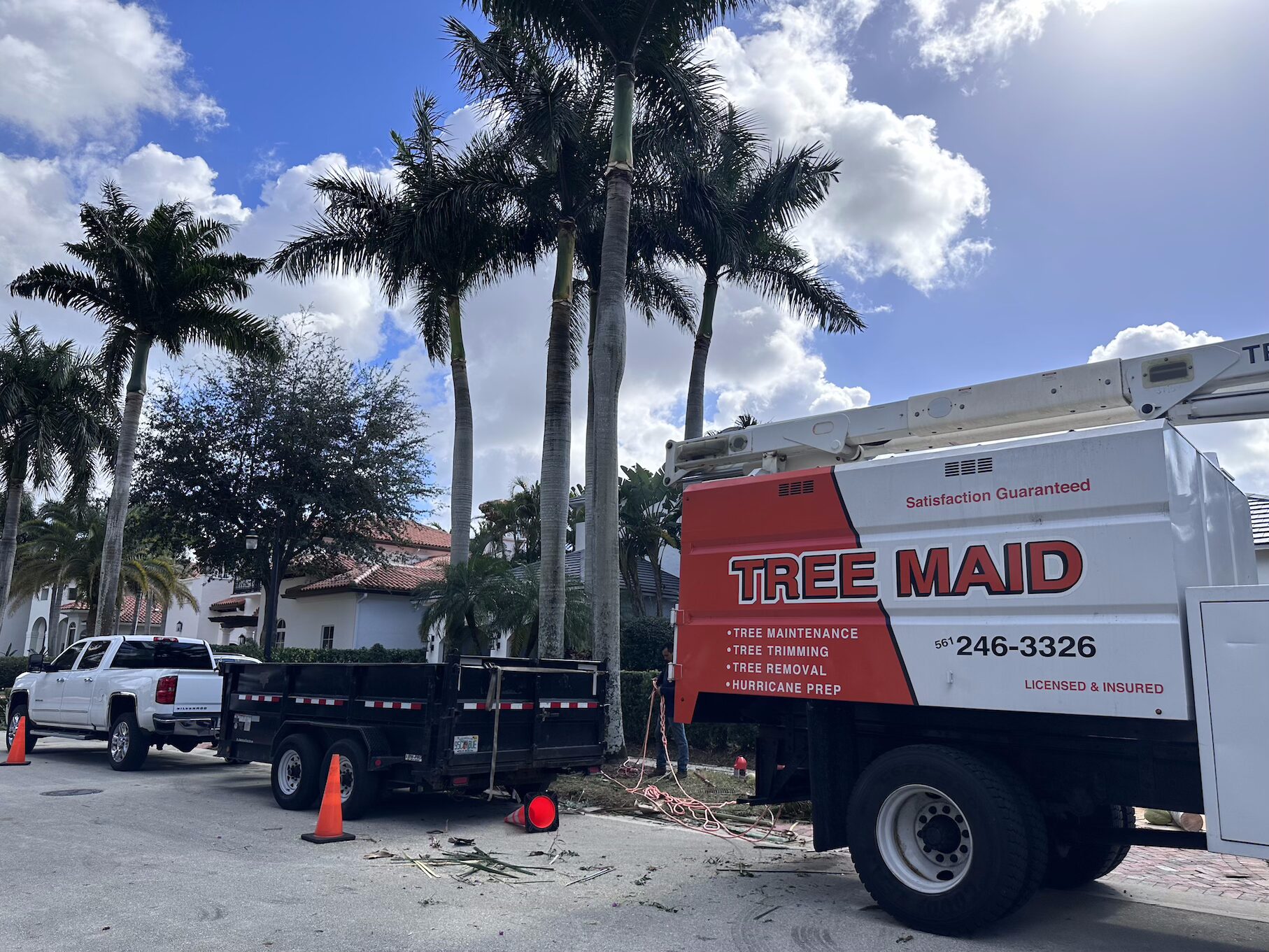
Palm tree trim and pruning guide for homeowners and businesses - save $25k! Satisfaction guaranteed with Tree Maid professional tree service Delray Beach.
Tree Service Lake Worth: When to Prune Palm Trees & How Professional Care Saves $25k
Tree Maid tree services offer Lake Worth commercial, property, club, and homeowners peace of mind! Insured and trusted by the best for reliable and
Luxury Tree Service Lake Worth: High-End Properties, Estates, Clubs | Satisfaction Promise
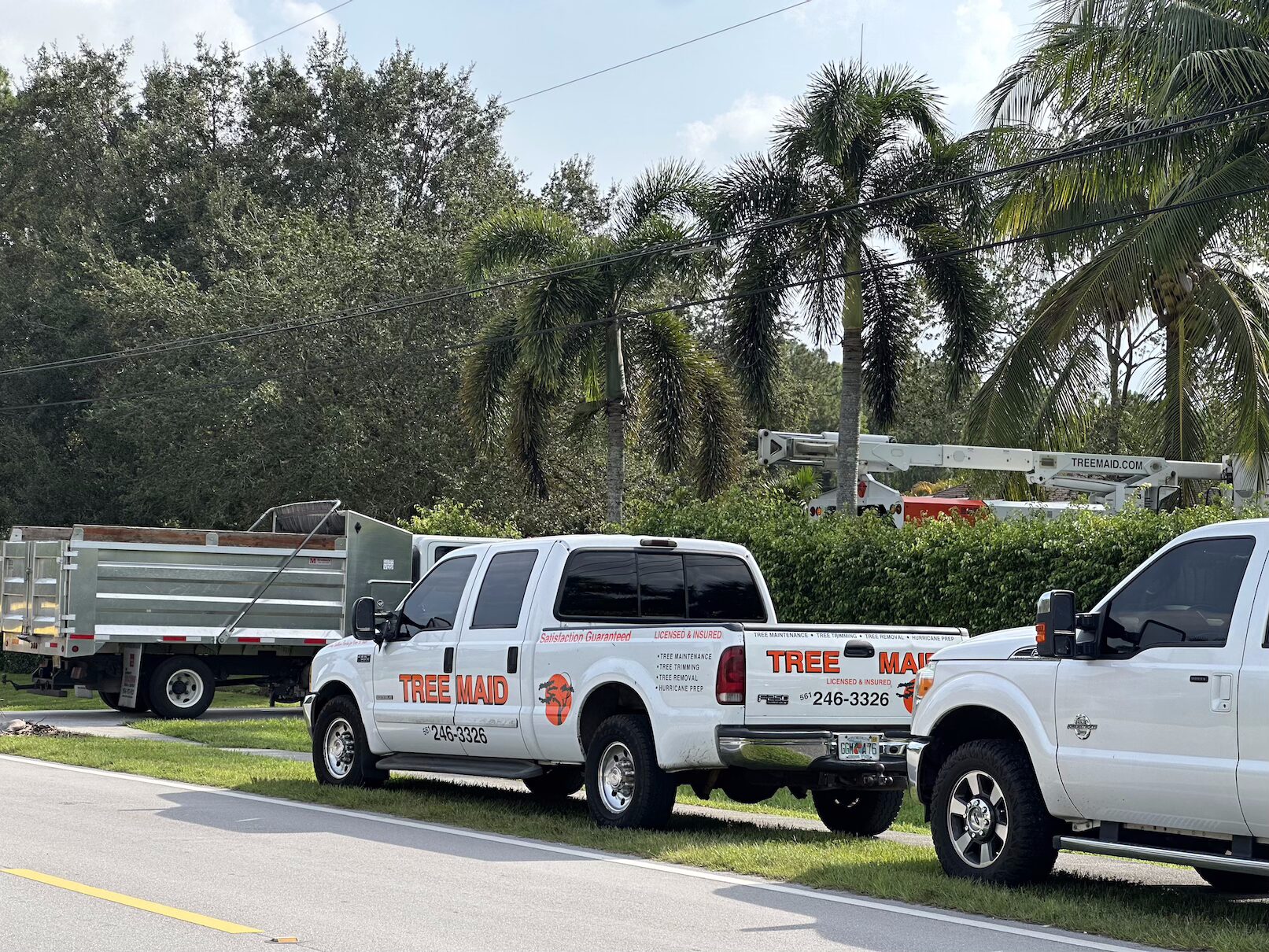
Tree Maid tree services offer Lake Worth commercial, property, club, and homeowners peace of mind! Insured and trusted by the best for reliable and
Best Lake Worth Tree Service: Estates, Clubs & High-End Communities | Satisfaction Guaranteed
Tree Maid tree services offer Lake Worth commercial, property, club, and homeowners peace of mind! Insured and trusted by the best for reliable and
Lake Worth Tree Service for Peace of Mind – Safe, Insured & Trusted by The Best | Tree Maid
Tree Maid tree services offer Lake Worth commercial, property, club, and homeowners peace of mind! Insured and trusted by the best for reliable and
Tree Service Lake Worth Beach: Complete Cost Guide & Expert Care Tips
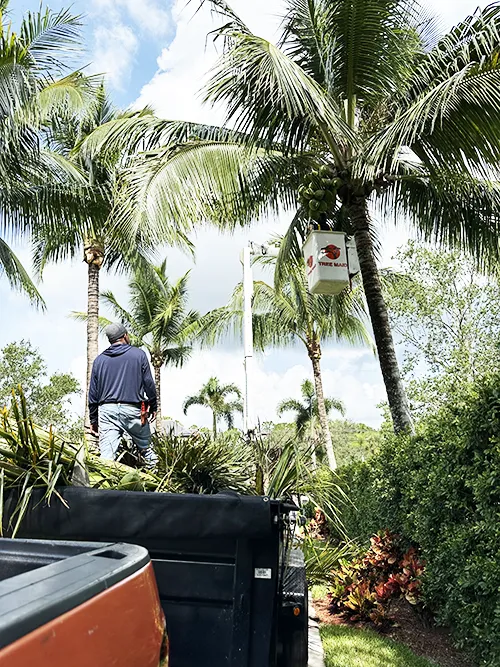
Finding reliable tree service in Lake Worth Beach can feel overwhelming, especially when trying to understand fair pricing and quality care. Whether you need[…]
Questions About Palm Tree & Tree Removal or Trimming in Palm Beach County?
Tips From Your Local Florida Tree Experts
Written By:
Tree Maid Team
Questions About Palm Tree & Tree Removal or Trimming in Palm Beach County?


As hurricane season approaches, our Tree Maid crew is busy ensuring trees are storm-ready! Recently, we helped a neighbor in Boynton Beach by removing deadwood and thinning out a Sabal Palm to increase its storm resistance. Pro tip: Regular tree health assessments can prevent costly damage. Let’s keep our communities safe together! 🌴💪 #TreeMaintenance #HurricanePrep #BoyntonBeach
Are your trees ready to weather the upcoming seasons? As we transition from summer to fall, it’s a pivotal time to prepare your trees for the changing weather conditions. One often overlooked aspect of tree care is the importance of mulching. Mulching around the base of your trees offers numerous benefits, especially during this transitional period. It helps retain soil moisture, regulates temperature, and suppresses weeds that compete for nutrients. Additionally, organic mulch breaks down over time, enriching the soil and promoting healthy root growth. When applying mulch, aim for a 2- to 4-inch layer, keeping it a few inches away from the trunk to prevent moisture buildup that could lead to rot. This simple practice not only enhances the health of your trees but also contributes to a more vibrant landscape overall. Have you ever mulched your trees, or do you have questions about the best types of mulch to use? Share your thoughts in the comments! #TreeCare #Mulching #HealthyTrees #FallPreparation #TreeMaid
🌴 When was the last time your trees were professionally trimmed? After 20+ years working with trees in Palm Beach County, our team at Tree Maid Tree Service sees the same 3 signs that tell us a tree is overdue for trimming—and waiting too long can lead to expensive problems. ✂️ Sign #1: Heavy Overhang If branches are hanging over your roof, driveway, or power lines, they become dangerous during storms. In Lake Worth and Palm Beach County, strong winds can turn those limbs into serious hazards. ✂️ Sign #2: Dense or Shaded Canopy When sunlight can’t pass through the canopy, the tree is too crowded. Proper trimming improves airflow, strengthens the tree, and helps prevent disease. ✂️ Sign #3: Dead or Crossing Branches Branches rubbing together or dying off create weak points that eventually snap. Strategic trimming removes stress on the tree and keeps it healthy. 👉 What to do: Take a quick walk around your property this weekend and look up at your trees. • Are branches touching your roof? • Is the canopy extremely dense? • Do you see dead or tangled limbs? If yes, your tree is likely due for a professional trim. 💬 Comment below: Which tree on your property looks like it needs attention? We’re happy to give an honest opinion. 🌴 Healthy trees make a beautiful property—and prevent costly damage before it happens. P.S. — If you have neighbors with large trees, share this with them. Proper trimming protects everyone nearby. #treetrimmingservice
Have you ever wondered how tree pruning can not only enhance the beauty of your landscape but also improve the health of your trees? Pruning is a critical practice that goes beyond just keeping your trees looking neat and tidy. It helps remove dead or diseased branches, allowing the tree to focus its energy on healthy growth. Additionally, proper pruning encourages better air circulation and sunlight penetration, which are essential for photosynthesis. But did you know that the timing of your pruning activities can significantly influence the outcome? For many tree species, late winter or early spring, before new growth begins, is the ideal time to prune. This timing minimizes stress on the tree and promotes vigorous growth once the warmer weather arrives. However, some trees, like flowering species, might benefit from summer pruning to enhance flower production for the next year. As local experts in tree care, Tree Maid is here to help you understand the best practices for maintaining your trees. If you’re unsure about how or when to prune your trees, don’t hesitate to reach out for professional assistance. Our team is dedicated to helping you create a vibrant and healthy landscape while ensuring your trees thrive for years to come. Have you ever pruned your trees before? What challenges have you faced? Share your experiences in the comments below! #TreeCare #PruningTips #HealthyTrees #TreeMaid #LandscapingAdvice
Have you ever thought about the importance of tree maintenance throughout the year? While we often think of tree care as a spring or summer task, the reality is that every season brings unique challenges and opportunities for our trees. For instance, fall is an ideal time to inspect your trees for any signs of disease or damage that may have gone unnoticed during the busy summer months. This is also the perfect time to clear away fallen leaves and debris from around the base of your trees. Not only does this help improve airflow, but it also reduces the risk of pests and diseases taking hold as winter approaches. Additionally, winter can be a critical period for tree health. As temperatures drop, trees enter a dormant phase, which makes it an excellent time for certain types of pruning. This not only helps shape the tree for optimal growth in the spring but also reduces the risk of heavy branches breaking under the weight of snow or ice. Have you planned your tree care strategy for this season? Engaging in proactive maintenance can greatly enhance the health and longevity of your trees. If you have any questions or need assistance with tree care, feel free to reach out to us! We’re here to help ensure your trees stay vibrant and healthy all year round. #TreeCare #SeasonalMaintenance #HealthyTrees #TreeTrimming #TreeMaid
Did you know winter is the perfect time for tree trimming in Palm Beach County? With cooler weather and dormant trees, our expert arborists can enhance the health and shape of your trees. Proper crown thinning and shaping not only improve aesthetics but also promote growth come spring. Whether you’re in Boca Raton or Lake Worth, we’re here to help your trees thrive. Let’s get started on your tree care today!
Did you know that proper tree trimming can not only improve the health of your trees but also enhance your property’s curb appeal? At Tree Maid Tree Service, our skilled arborists specialize in crown thinning and seasonal care, ensuring your trees look their best. Serving Greenacres and surrounding areas, we help you maintain a beautiful landscape. Let us assist in elevating your outdoor space today!