




Expert Care for South Florida’s Signature Tree Species
South Florida’s unique climate supports a variety of iconic tree species, each requiring specialized care to thrive. Expert knowledge of these trees’ characteristics and proper maintenance techniques ensures their longevity, health, and aesthetic contribution to local landscapes.
Queen Palms
Queen Palms often face nutritional deficiencies and structural stresses that require attentive management.
Pruning focuses on removing dead or yellowing fronds and seed pods to maintain vitality and curb pest attraction.
Care is taken to avoid over-pruning, particularly the damaging practice known as the “hurricane cut,” which can weaken the palm and compromise its health.
Royal Palms
Royal Palms display imposing height and regal form, naturally shedding some fronds in a self-cleaning process.
However, professional crown cleaning is critical to safely remove massive dead fronds and heavy seed pods before they fall, which can pose safety hazards.
Expert trimming preserves the palm’s elegant silhouette while minimizing risk to property and people.
Live Oaks
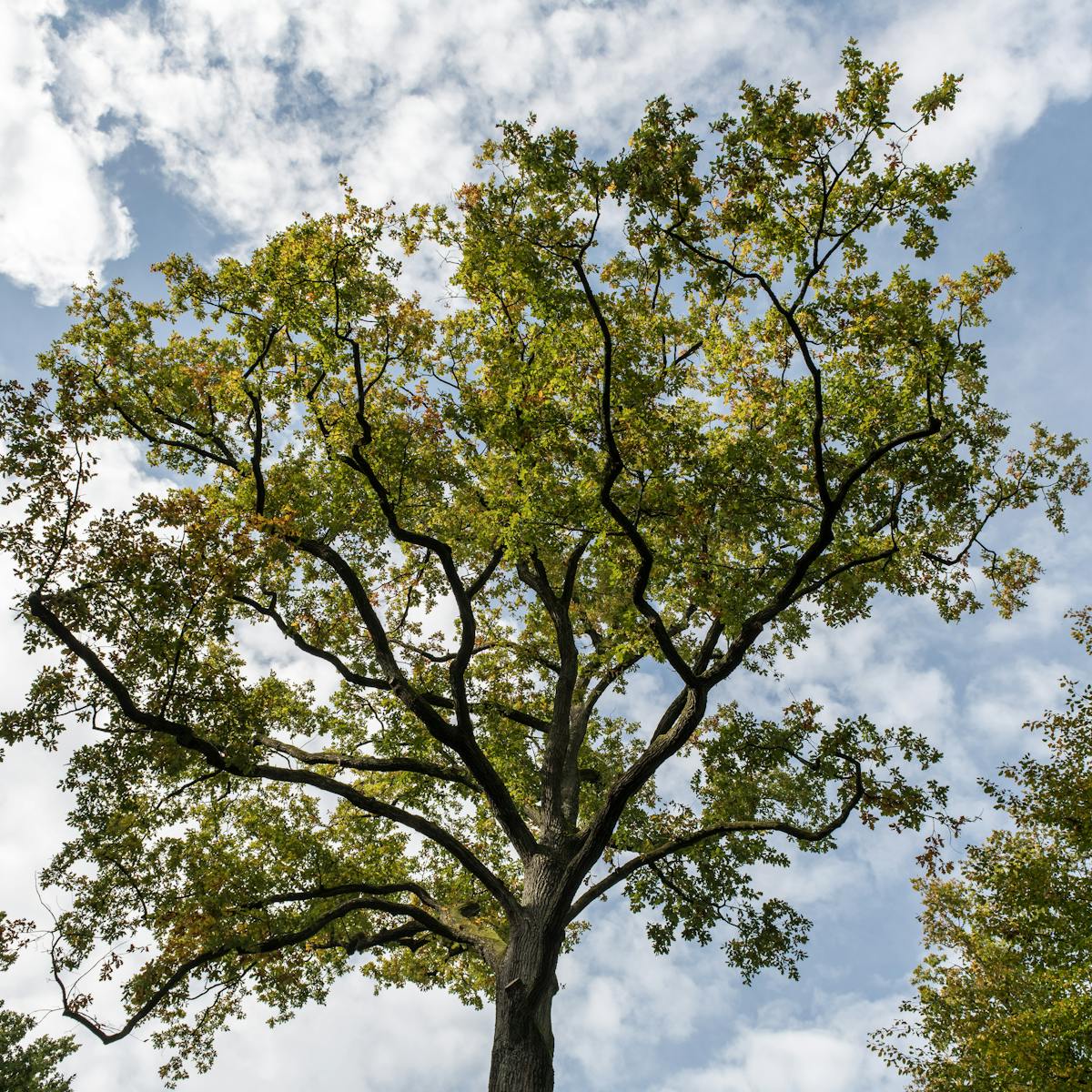
Live Oaks are prized for their sprawling canopies and vital shade. Structural pruning is essential to maintain strong branch architecture, reducing the risk of breakage during storms.
Canopy thinning enhances wind resistance by increasing airflow, while reducing the weight on heavy horizontal limbs prevents stress fractures.
Removing deadwood and managing Spanish moss growth not only improves tree health but preserves the majestic appearance live oaks are known for.
Gumbo Limbo
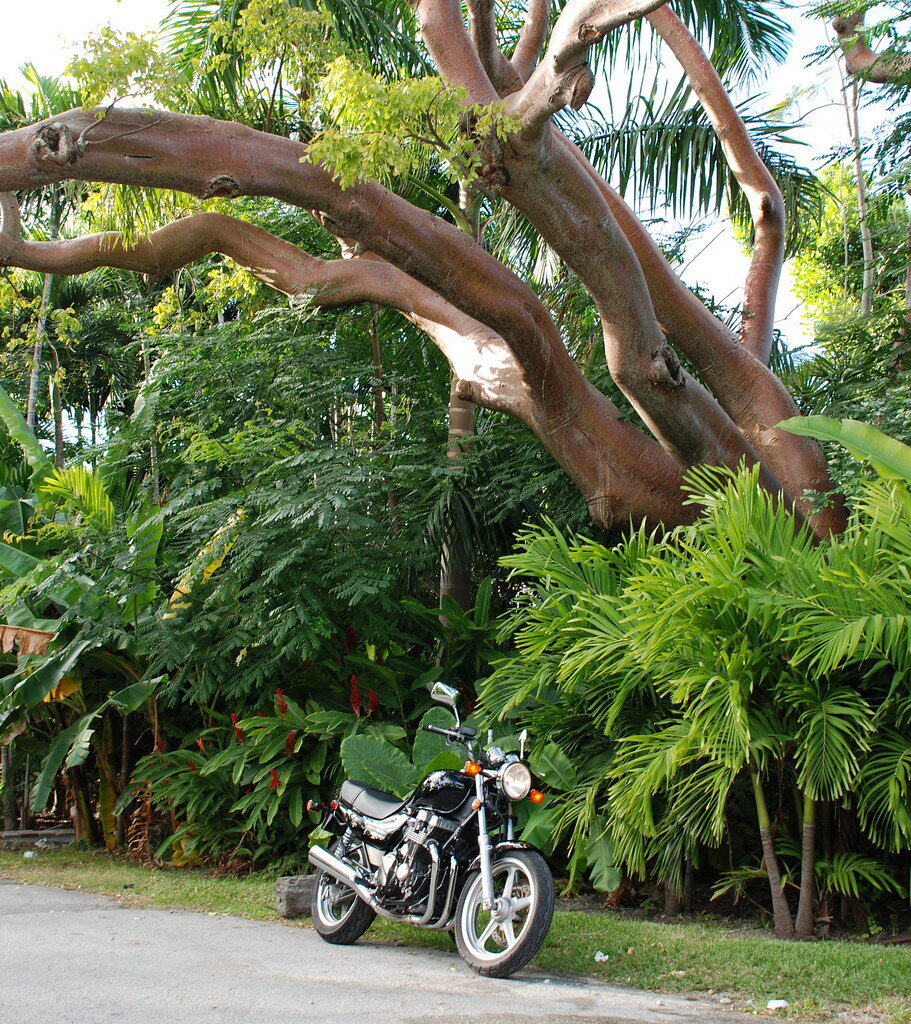
Recognizable by its distinctive peeling red bark, the Gumbo Limbo is a favored native with soft, flexible wood.
Light, strategic pruning helps maintain its naturally graceful shape without disrupting growth patterns.
Removal of weak crotches is necessary to prevent splitting in high winds, a common concern in South Florida’s storm-prone environment.
Mahogany
Mahogany trees are valued native shade providers that benefit greatly from structural training when young.
Establishing a strong central leader early supports healthy growth and stability.
Regular canopy thinning improves sunlight penetration and wind flow, enhancing overall tree health and reducing the risk of storm damage.
Palm Tree Trimming: Best Practices
Palm trees need specific care to stay healthy and attractive. Follow these best practices for palms:
Why Hire Professional Tree Trimmers?
Hiring a professional makes trimming safer and more effective. Trained arborists bring the right tools, experience, and techniques to protect both people and trees. Key benefits include:
Tree Maid offers on-site evaluations to recommend the best care for your trees. To schedule, call us at 561-246-3326.










Tree Health and Curb Appeal
Palm Beach County’s Top Tree Trimming Recommendations
Healthy, well-maintained trees do more than look good — they improve the overall feel of your property and can lift its value. Regular inspections help spot disease, pest problems, or structural issues early.
In Palm Beach County, effective palm care balances environmental conditions and appearance. With timely care and the right interventions, homeowners can protect tree health and preserve the beauty of their yards for years to come.
Seasonal Planning
Schedule trimming when winds and rain are less likely to stress the trees.
Species-Specific Care
Different palms need different cuts; follow guidelines for each species to maintain structure.
How to Properly Trim Florida Tree Species: Detailed Care Guides
In-depth knowledge of species-specific pruning practices is key to maintaining the health, safety, and aesthetic appeal of Florida’s native and iconic trees. Below are expertly recommended trimming guidelines tailored for Lake Worth’s most common and celebrated species.
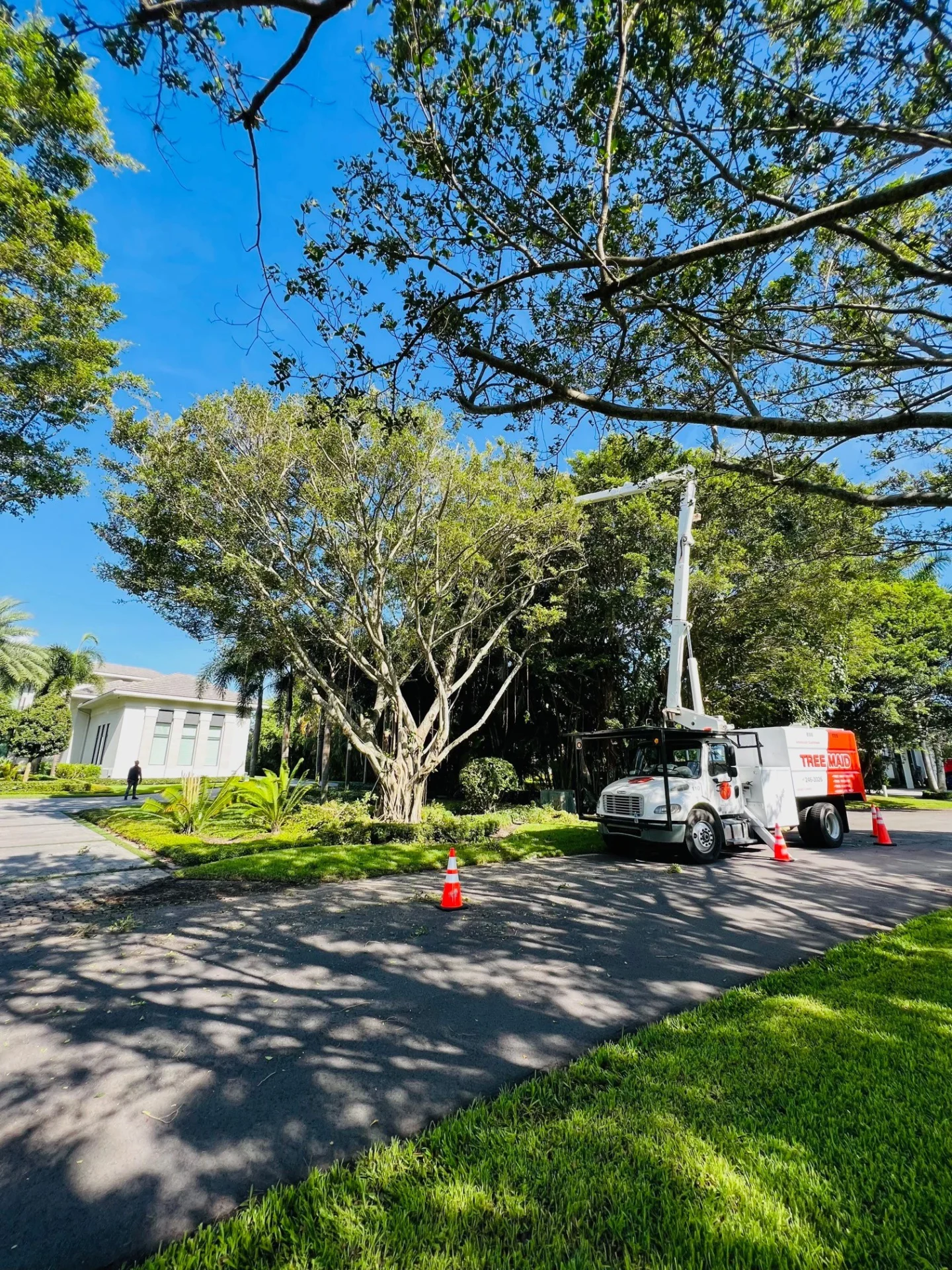
Trimming Live Oaks (Quercus Virginiana)
Structural Pruning
Begin by removing any crossing or rubbing branches to prevent wounds and decay.
Focus on developing a strong central framework by selectively thinning lower branches to improve branch spacing and light penetration.
Prioritize cuts that preserve the tree’s natural shape and sprawling canopy.
Clearing Deadwood
Routinely remove dead, diseased, or damaged limbs to prevent pest infestations and structural failures.
Deadwood removal enhances overall tree vitality and reduces hazards during storms.
Maintaining the Canopy
Thin dense areas carefully to allow airflow and sunlight penetration, which boosts photosynthesis and reduces disease risk.
Avoid excessive canopy reduction to maintain the oak’s majestic appearance and protect wildlife habitat.
Trimming Royal Palms (Roystonea regia)
Safe Frond Removal
Remove only fully brown, dead fronds without cutting green or partially green fronds. Use proper tools to cut close to the trunk without damaging the crownshaft to avoid infection and decay.
Observing the 9-to-3 Rule
Follow the widely recommended trimming timeframe—only prune between 9 a.m. and 3 p.m. to minimize sap loss and reduce the risk of stress and disease.
Seed Pod Management
Regularly remove heavy seed stalks once mature to prevent them from becoming a safety hazard or causing structural imbalance.
Proper seed pod removal also discourages pest activity and supports palm health.
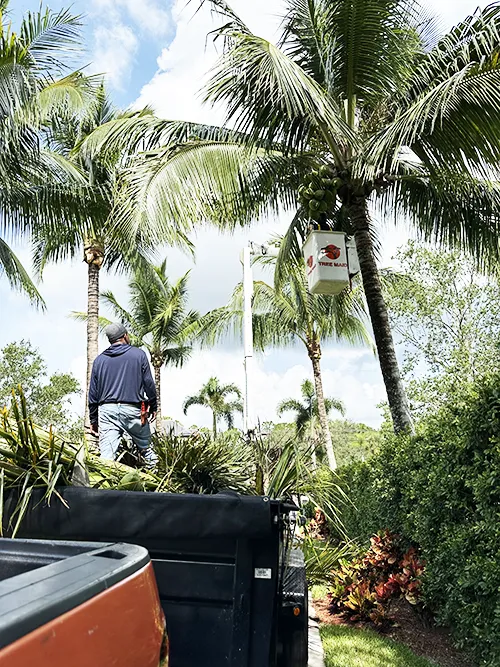
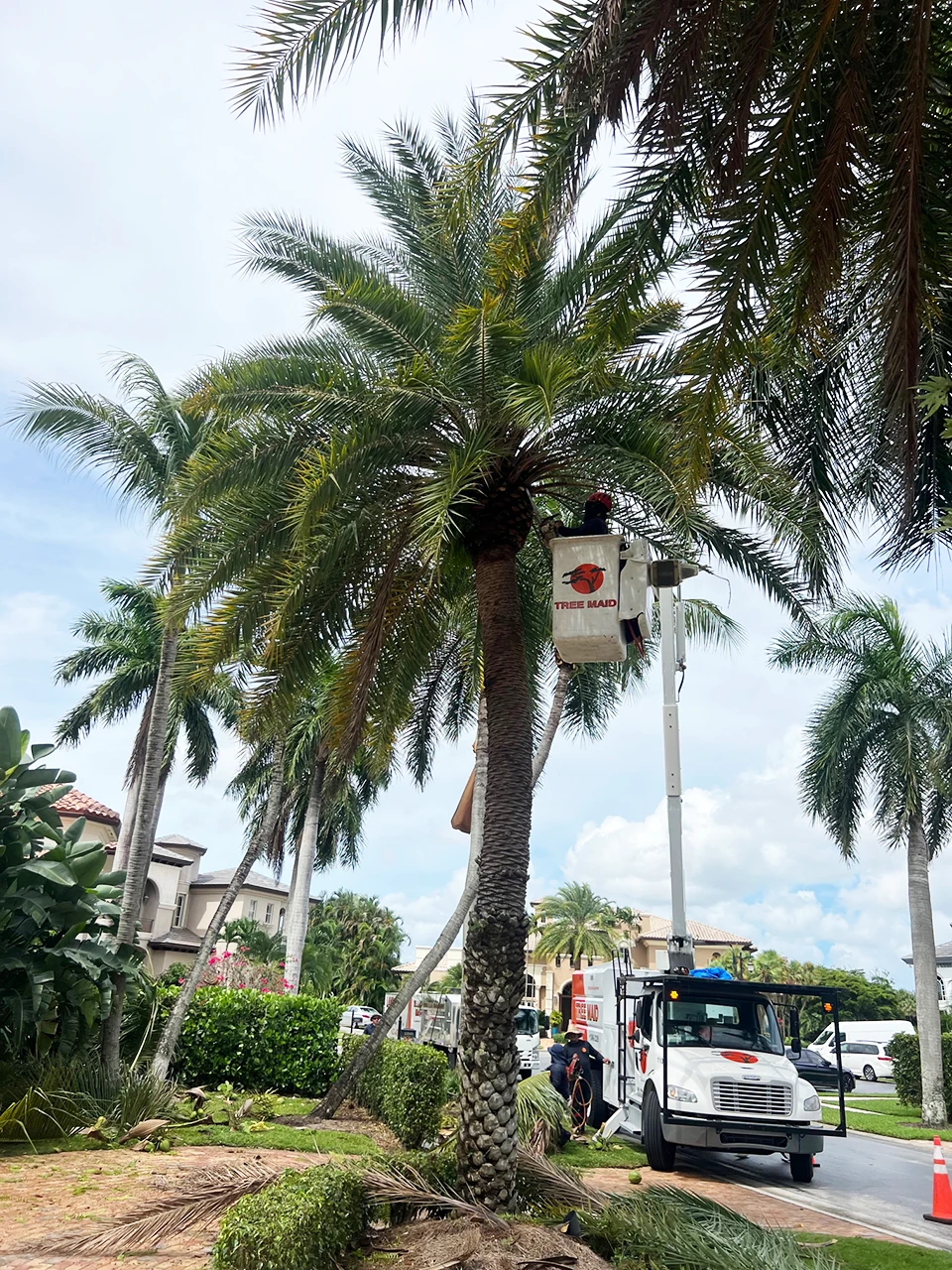
Trimming Queen Palms (Syagrus Romanzoffiana)
Regular Maintenance:
Schedule trimming every 1-2 years to control fronds’ overgrowth and curtail disease. Consistent care reduces stress and improves vigor.
Frond Pruning:
Eliminate yellowing, brown, or damaged fronds to reduce pest attraction and enhance appearance. Avoid the “hurricane cut” practice, which removes too many fronds and weakens the palm.
Preventing Disease
Maintain cleanliness by promptly removing debris and dead material around the base to reduce fungal infections. Inspect regularly for signs of lethal bronzing disease and consult professionals if symptoms appear.
Want To Book Your Tree Service?
Trimming Gumbo Limbo (Bursera simaruba)
Delicate Pruning
Use light, selective pruning to preserve the tree’s natural, graceful form. Avoid heavy cuts that disrupt the tree’s peeling red bark or natural growth habit.
Wind-Resistance Shaping
Remove weak crotches and limbs that could split in storms. Prune to maintain a well-spaced branch structure that reduces wind resistance and enhances stability.
Bark Protection
Minimize wounding the distinctive red bark during pruning, as it serves as the tree’s natural defense. Clean tools before use to prevent infection.
Trimming Mahogany (Swietenia mahagoni)
Structural Training
Focus on developing a dominant central leader when young to encourage strong, balanced growth. Early training helps prevent structural weaknesses later in life.
Branch Spacing
Thin crowded branches to increase airflow and sunlight penetration. Proper spacing reduces disease risks and improves canopy health.
Storm Preparation
Remove dead or weak limbs before storm season. Maintain flexible branch angles to reduce breakage during high winds, ensuring the tree’s resilience in Lake Worth’s weather.
Why Professional Trimming Matters in Lake Worth
Lake Worth’s storms and coastal weather make professional trimming especially important. Wind and heavy rain can bring down weak branches, creating safety hazards. Regular maintenance strengthens trees against pests and disease and helps them recover from local stressors.
How Trimming Boosts Tree Health and Safety
Pruning removes weak or broken limbs that could fail in a storm, improving safety around your property. It also opens the canopy to better air circulation and sunlight, which supports healthy growth. Removing dead wood redirects energy to healthy branches, helping trees thrive longer and look better.
What Sets Tree Maid Apart Locally?
Customers consistently praise our professionalism, clear communication, and thorough cleanup.
How Tree Maid Keeps Trimming Affordable in Florida
Tree Maid keeps services affordable through clear pricing and free estimates so you can plan ahead. We focus on cost-effective solutions that don’t sacrifice quality, helping homeowners maintain trees without unexpected expenses.
Local Rules That Affect Tree Trimming in Lake Worth and Palm Beach County
Local ordinances can dictate when certain trees can be trimmed or removed and which species need permits. It’s important to know the rules before you start work to avoid fines or delays.
Do You Need Permits for Trimming or Removal?
Some protected species in Lake Worth require permits for trimming or removal. Tree Maid knows the local regulations and can advise you when permissions are needed and help with the process.
How Tree Maid Helps You Follow Local Tree Rules
We guide customers through local requirements and recommend compliant solutions. Our knowledge of Palm Beach County rules helps you avoid surprises while keeping your trees healthy and legal.
Does Tree Maid Offer Tree Care Services for Homes and Businesses?
We provide a full range of tree care services to keep landscapes safe and attractive:
- Tree Removal: Safe removal of dead, diseased, or hazardous trees.
- Stump Grinding: Efficient stump removal to restore usable space.
- Emergency Services: Fast, safe response for urgent tree hazards after storms or accidents.
How to Schedule Reliable, Affordable Tree Trimming Service with Tree Maid
Booking with Tree Maid is simple. We offer free evaluations to assess your needs and transparent pricing so you know what to expect. To arrange a visit or get a free estimate, call 561-246-3326.
How Hurricane Season Affects Tree Trimming in Lake Worth
Lake Worth sits squarely in South Florida’s hurricane corridor, with the official storm season running from June through November.
Pre-season trimming — ideally completed by late May — is one of the most effective ways to reduce the risk of branch failure and property damage when tropical storms and hurricanes arrive.
Neighborhoods Tree Maid Serves in and Around Lake Worth
Areas We Service:
- Lake Worth Beach — coastal properties and older tree canopies along the Intracoastal
- Lake Clarke Shores — residential neighborhoods with mature oak and palm landscapes
- Greenacres — our home base, serving local homeowners and property managers
- Lantana — waterfront and inland residential properties
- Atlantis — luxury estates and gated communities requiring high-end tree care
- Hypoluxo — barrier island and mainland residential trimming
- Wellington — equestrian estates and large-lot properties
Plus all surrounding areas in Palm Beach County.
What to Expect from Tree Maid’s Service and Results
Tree Maid aims for clear communication and consistent results. From the first call to the final cleanup, we focus on professionalism, safety, and leaving your property looking better than we found it.
Frequently Asked Questions
1. What are the signs that my trees need trimming?
Look for dead or diseased branches, excessive leaf drop, crowded or crossing limbs, or a tree that starts to lean. Broken branches after storms and visible pest activity are also warning signs. When in doubt, get a professional assessment to avoid missing problems.
2. How often should I schedule tree trimming for my trees?
Most trees benefit from trimming every 1 to 3 years, depending on species and growth rate. Fast-growing trees need more frequent attention; slower growers can go longer between visits. Urban trees exposed to wind or storms should be checked annually.
3. Can I trim my trees myself, or should I hire a professional?
Minor pruning is fine for homeowners, but for large or high-risk work hire a professional. Arborists have the training and gear to manage safety and perform species-appropriate cuts that protect tree health.
4. What costs are typically associated with tree trimming services?
Costs vary by tree size, work scope, and location, typically ranging from about $100 to $1,000. Tree Maid provides free estimates and transparent pricing so you understand the cost before work begins.
5. Are there specific regulations for tree trimming in Palm Beach County?
Yes — some trees are protected and may need permits for trimming or removal. Check local ordinances, or ask Tree Maid for help navigating the permit process to ensure compliance.
6. How does the weather affect tree trimming schedules?
Weather matters: avoid trimming during heavy rain or high winds. Trimming in drier, calmer conditions reduces stress on trees and improves safety. Seasonal timing also affects tree health and is considered when planning work.
7. What happens to the debris after tree trimming services?
Debris practices vary by provider. Tree Maid typically includes cleanup, removing branches and clippings from your property so your yard is neat and safe after the job. Confirm cleanup details when you get your estimate.
Tree Maid provides professional tree trimming throughout Lake Worth and the surrounding communities of Palm Beach County. Our service area includes:
Not sure if we cover your area? Call us at 561-246-3326 — we serve all of Palm Beach County.