Palm Tree Health & Crown Care in South Florida: Your Complete Guide to Disease Treatment, Pruning, Pest Control, and Maintenance Costs
By Tree Maid Team, Tree Maid Tree Services
Maintaining the health of palm trees is crucial for property owners in South Florida, where the unique climate can pose various challenges. This comprehensive guide will delve into the essential aspects of palm tree health and crown care, providing insights into disease treatment, effective pruning techniques, pest control methods, and maintenance costs. Understanding these elements is vital for ensuring the longevity and vitality of your palm trees, which can significantly enhance the aesthetic appeal and value of your property.
In this article, we will explore the indicators of palm tree health, common diseases affecting palms, effective treatment options, best practices for pruning, pest management strategies, and the costs associated with maintaining these beautiful trees. By the end, you will have a thorough understanding of how to care for your palm trees effectively and the benefits of seeking professional services when needed.
Comprehensive Guide for Property Owners on Palm Tree Health and Crown Care in South Florida
Palm trees are iconic in South Florida, but their health can be compromised by various factors, including environmental stressors, pests, and diseases. Property owners must be vigilant in monitoring their palm trees for signs of distress, as early detection can lead to more effective treatment and care. Regular inspections and maintenance are essential to ensure that these trees thrive in the unique climate of the region.
Understanding the importance of palm tree health goes beyond aesthetics; it also impacts property value. Well-maintained palm trees can enhance curb appeal and contribute positively to the overall landscape. Conversely, neglected trees can lead to significant devaluation of property, making it crucial for owners to prioritize their care.
Understanding Palm Tree Health Indicators
Recognizing the signs of distress in palm trees is the first step toward effective care. Common indicators of poor health include yellowing fronds, stunted growth, and visible pests. Regular inspections can help identify these issues early, allowing for timely intervention.
- Yellowing Fronds: This can indicate nutrient deficiencies or water stress.
- Stunted Growth: A lack of growth may suggest root problems or disease.
- Visible Pests: The presence of pests like scale insects or palm weevils can severely affect palm health.
By understanding these indicators, property owners can take proactive measures to maintain their palm trees’ health.
Disease Treatment
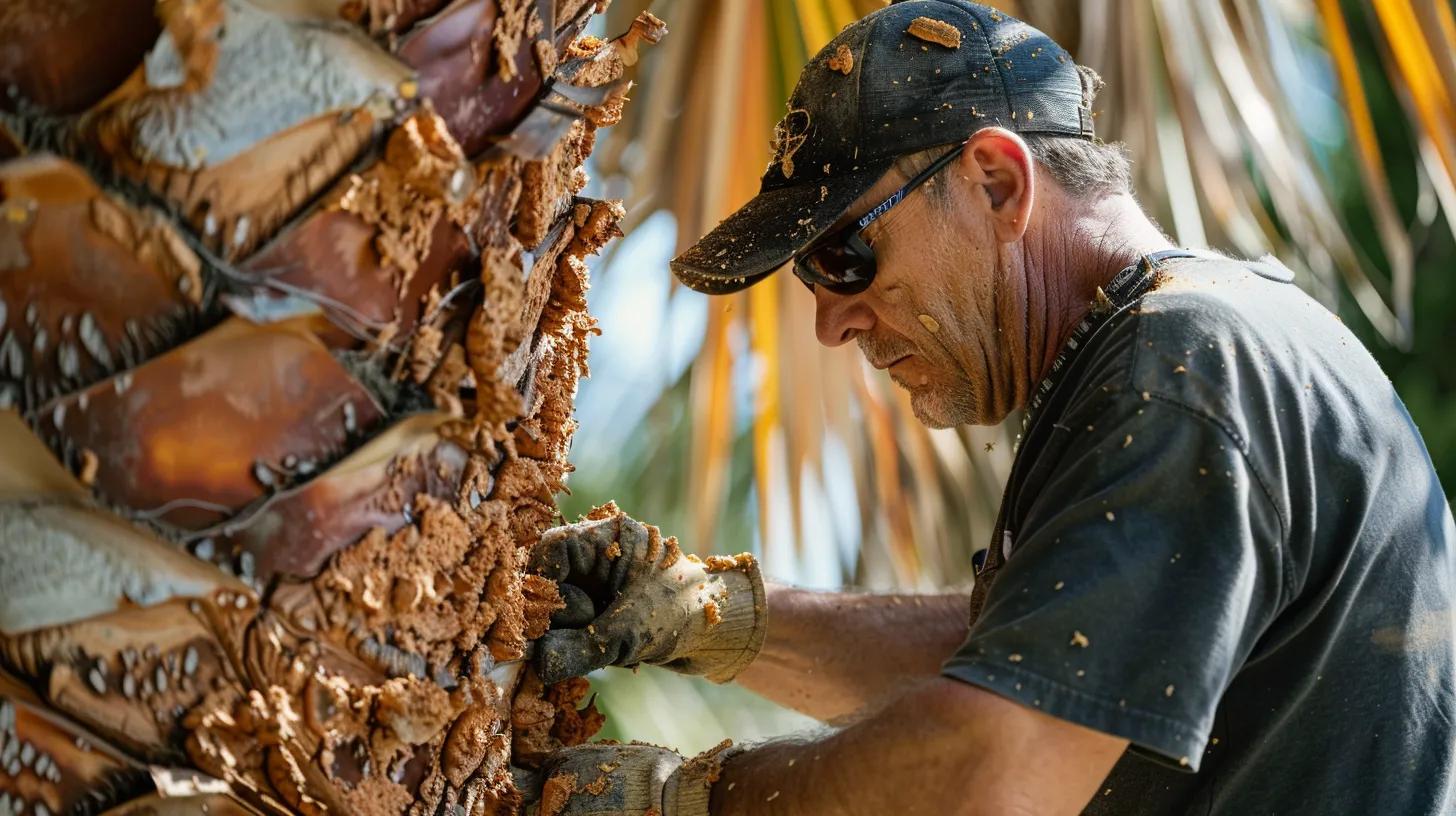
Palm trees in South Florida are susceptible to several diseases, including Lethal Yellowing and Ganoderma Butt Rot. Early detection and treatment are crucial for managing these conditions effectively.
Further research highlights the importance of integrated management strategies for effectively combating Lethal Yellowing in palms.
Integrated Management of Lethal Yellowing in Palms
These improved methods are part of a package for the integrated management of lethal yellowing
Reliable improved molecular detection of coconut lethal yellowing phytoplasma and reduction of associated disease through field management strategies, L Saenz, 2011
- Lethal Yellowing: This disease is caused by a phytoplasma and can lead to the rapid decline of affected trees. Symptoms include yellowing of fronds and premature fruit drop. Treatment often involves the application of specific insecticides to control the vector, the planthopper.
- Ganoderma Butt Rot: This fungal disease affects the trunk and can lead to structural failure. Symptoms include a mushroom-like growth at the base of the tree. Unfortunately, there is no cure, and affected trees should be removed to prevent the spread of the disease.
- Texas Phoenix Palm Decline: This disease affects the Phoenix canariensis and is characterized by yellowing and wilting of fronds. Treatment may involve the use of fungicides and proper cultural practices.
Treatment costs for these diseases can range from $500 to $3,000+ per tree, depending on the severity and required interventions.
Pruning Techniques
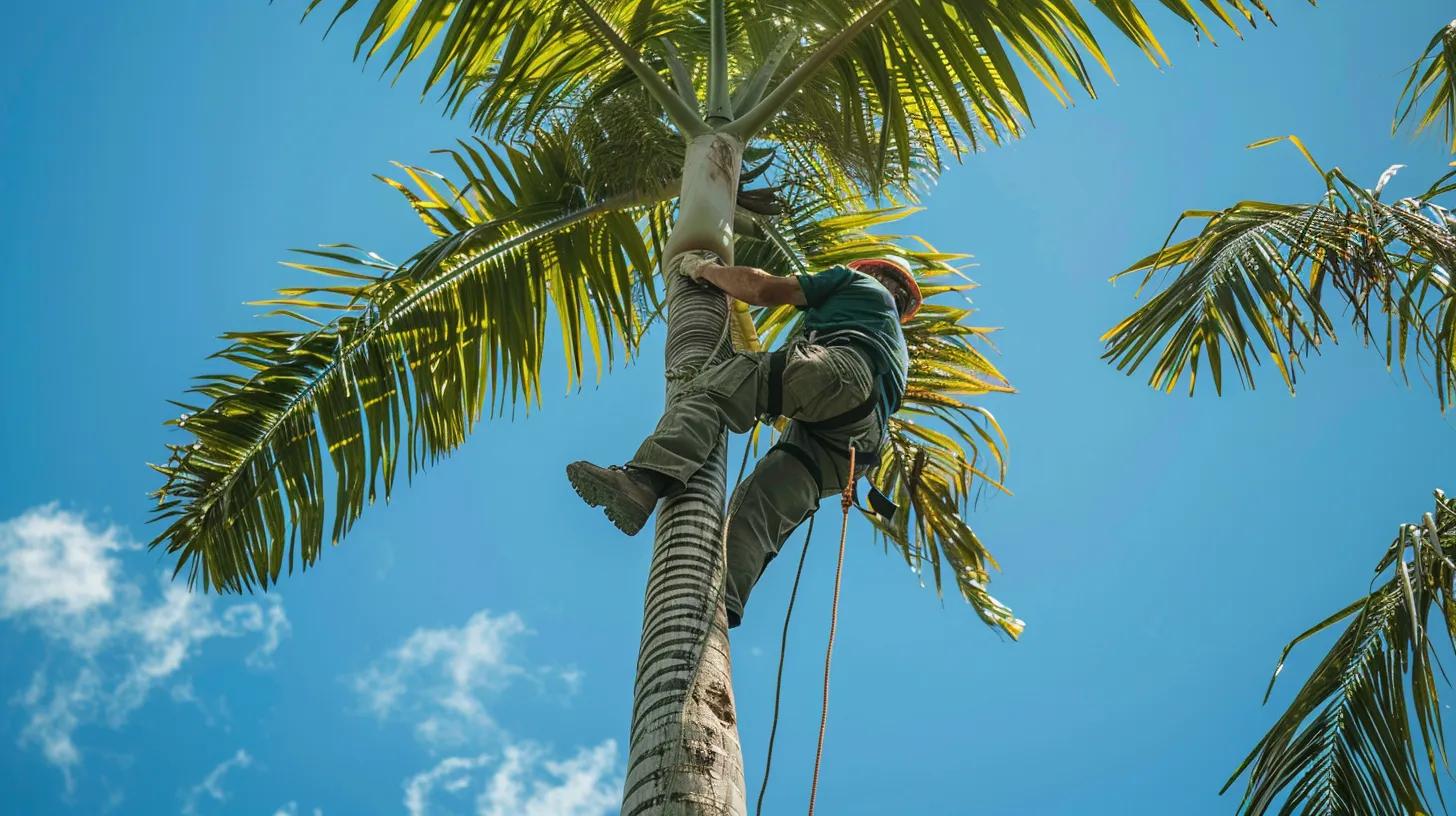
Proper pruning is essential for maintaining the health and appearance of palm trees. It helps remove dead or diseased fronds and promotes healthy growth.
- Best Time to Prune: The ideal time for pruning palm trees is during the late winter or early spring before new growth begins.
- Safe Removal Techniques: Use clean, sharp tools to make clean cuts, reducing the risk of infection.
- Avoiding Over-Pruning: It is crucial not to remove too many fronds at once, as this can stress the tree and hinder its ability to photosynthesize.
By following these techniques, property owners can ensure their palm trees remain healthy and vibrant.
Research further emphasizes the delicate balance required in pruning, noting its potential impact on palm health, especially for nutrient-deficient trees.
Effects of Pruning on Palm Health & Maintenance
This literature review gathers the findings of studies of the effects of pruning on palms in an attempt to answer questions about proper maintenance of ornamental specimens. Pruning was found to worsen the health of palms deficient in mobile nutrients, but healthy palms showed only small changes in leaf nutrient composition.
Effects of pruning on the health of palms, 2009
Pest Control Methods
Pests can pose a significant threat to palm trees, making effective management strategies essential.
- Common Pests: Palm weevils and scale insects are among the most common pests affecting palm trees in South Florida.
- Management Strategies: Regular inspections and the use of insecticides can help control pest populations. Integrated pest management (IPM) strategies that combine biological, cultural, and chemical methods are often the most effective.
- Importance of Regular Inspections: Routine checks can help identify pest infestations early, allowing for prompt treatment and minimizing damage.
Implementing these pest control methods can significantly enhance the health and longevity of palm trees.
Maintenance Cost Considerations
Understanding the costs associated with palm tree maintenance is crucial for property owners. Seasonal maintenance can vary significantly based on the specific needs of the trees.
Poorly maintained trees can lead to property devaluation of $5,000 to $20,000+, while mature palms can cost $1,500 to $6,500+ to replace. Understanding these costs can help property owners make informed decisions about their palm tree care.
Seasonal Care Tips
Caring for palm trees requires attention to seasonal changes and specific care needs throughout the year.
- Spring Care Tips: Fertilize and prune to promote healthy growth.
- Summer Care Tips: Ensure adequate watering during dry spells and monitor for pests.
- Fall and Winter Preparations: Protect trees from cold snaps and reduce watering as temperatures drop.
By following these seasonal care tips, property owners can help their palm trees thrive year-round.
Professional Services
Choosing professional tree care services can significantly enhance the health and appearance of palm trees.
- How to Choose a Service: Look for companies with experience in palm tree care and positive customer reviews.
- Importance of Expertise: Professionals can provide valuable insights into the specific needs of palm trees in South Florida.
- Emergency Services: In cases of severe damage or disease, professional services can offer immediate assistance to mitigate further issues.
For those seeking expert help, Tree Maid is a professional tree care service provider operating in South Florida, with a focus on Palm Beach County. Their core expertise centers on palm tree health and crown care, offering comprehensive maintenance, pruning, pest and disease management, and fertilization services tailored to the unique climate and environmental conditions of South Florida.
Conclusion
Maintaining the health of palm trees is essential for property owners in South Florida. By understanding the indicators of health, common diseases, effective treatment options, and the importance of professional services, property owners can ensure their palm trees thrive. Regular care and attention not only enhance the beauty of the landscape but also protect the value of the property.


No responses yet