
Do I Need a Permit to Remove a Tree in Palm Beach County? A Homeowner’s Guide
By Tree Maid Team, Tree Maid Tree Services
Removing a tree from your property can be a significant decision, especially in Palm Beach County, where local regulations are in place to protect the environment. Homeowners often wonder whether they need a permit for tree removal and what the process entails. This guide aims to clarify the tree removal permit requirements in Palm Beach County, helping you navigate the regulations effectively. Understanding these rules is crucial for avoiding potential fines and ensuring compliance with local ordinances. In this article, we will cover the essential tree protection rules, the permit application process, required documentation, and the consequences of non-compliance. Additionally, we will explore how Tree Maid can assist you in this process, ensuring a smooth and compliant tree removal experience.
What Are the Palm Beach County Tree Protection Rules Every Homeowner Should Know?
Palm Beach County has established specific tree protection rules to preserve its natural landscape and biodiversity. These regulations are designed to protect certain tree species and ensure that tree removal is conducted responsibly. Homeowners must familiarize themselves with these rules to avoid legal issues and fines. Understanding the importance of these regulations can help you make informed decisions regarding tree removal on your property.
Which Trees Are Protected Under Palm Beach County Ordinances?
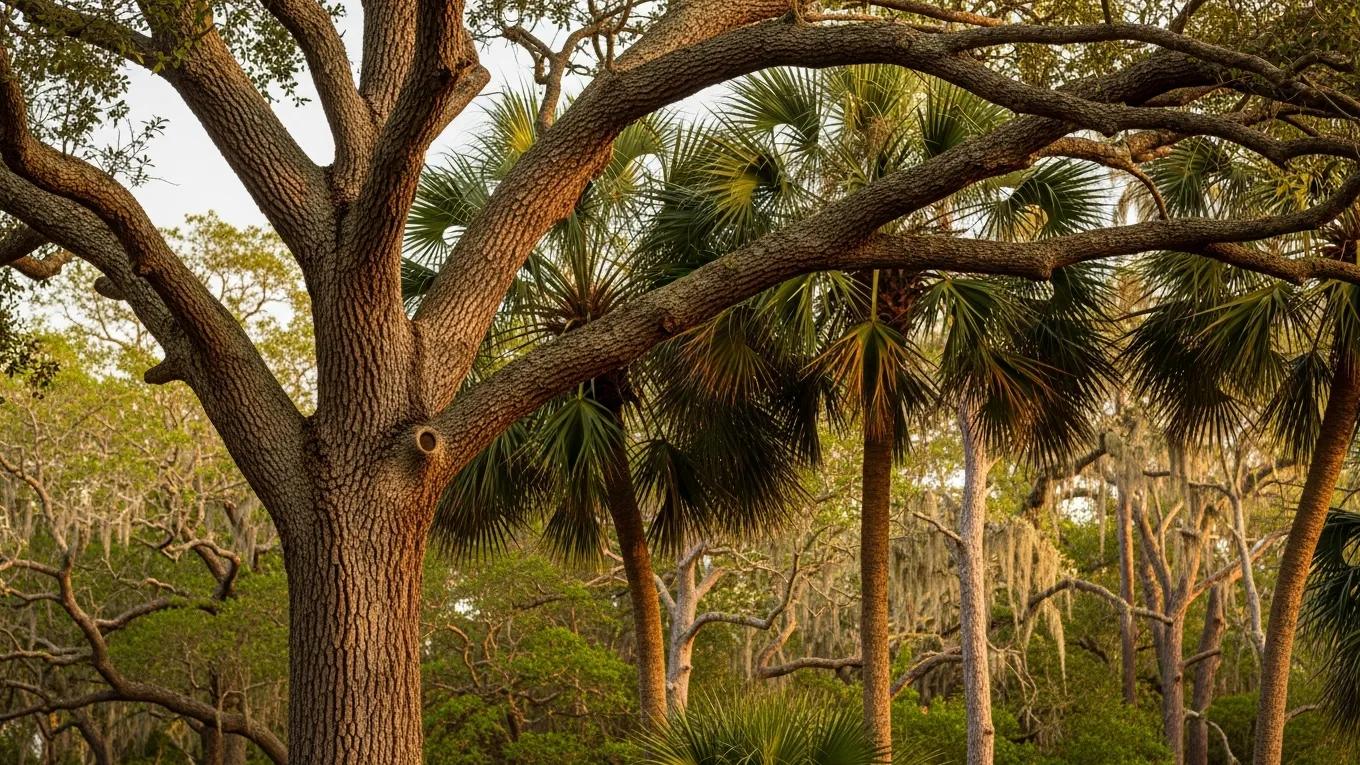
In Palm Beach County, several tree species are protected under local ordinances. These include:
- Live Oak: Known for its longevity and ecological importance, the live oak is a vital part of the local ecosystem.
- Sabals: The sabal palm is the state tree of Florida and is protected due to its cultural significance and habitat value.
- Banyan Trees: These trees are recognized for their unique growth patterns and contributions to local biodiversity.
The protection of these species is crucial for maintaining the ecological balance in the area. Homeowners should be aware of these protected species to avoid penalties when considering tree removal.
What Are the Common Exemptions and Exceptions to Tree Removal Permits?
While many trees require a permit for removal, there are common exemptions that homeowners should know. These include:
- Dead or Dying Trees: Trees that are confirmed dead or pose a safety hazard may be removed without a permit.
- Invasive Species: Certain invasive tree species can be removed without a permit to protect native ecosystems.
- Emergency Situations: Trees that pose an immediate threat to life or property can be removed without prior approval.
Understanding these exemptions can save homeowners time and resources when dealing with tree removal.
How Do I Get a Tree Removal Permit in Palm Beach County? Step-by-Step Application Process
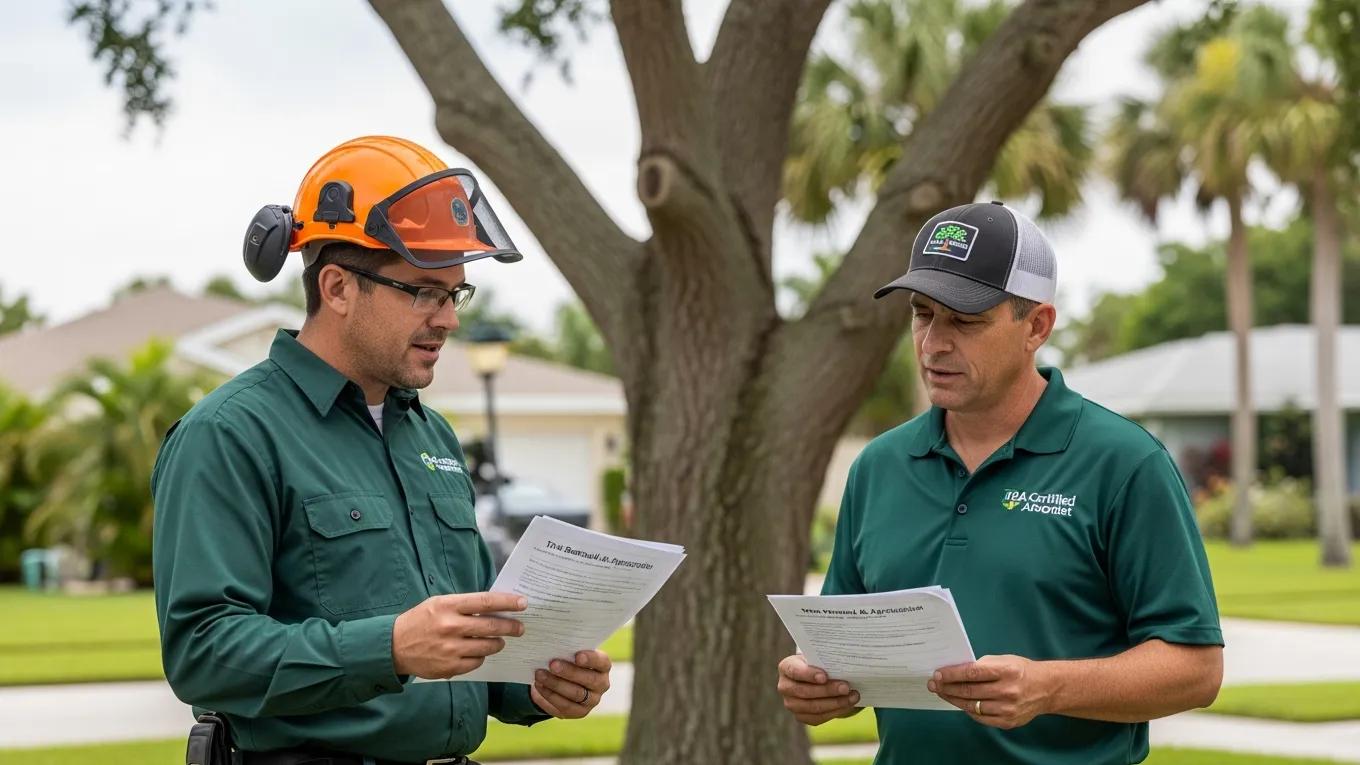
Obtaining a tree removal permit in Palm Beach County involves a straightforward application process. Homeowners must follow these steps to ensure compliance with local regulations:
- Determine if a Permit is Needed: Assess whether the tree in question is protected or if it falls under any exemptions.
- Complete the Application: Fill out the necessary permit application form, which can typically be found on the Palm Beach County website.
- Submit Required Documentation: Provide any required documentation, such as photographs of the tree and a site plan.
- Await Approval: After submission, wait for the local authorities to review and approve your application.
Following these steps will help streamline the permit acquisition process.
What Documents and Information Are Required for the Permit Application?
When applying for a tree removal permit, homeowners must prepare specific documents to support their application. These typically include:
- Completed Application Form: Ensure all sections are filled out accurately.
- Site Plan: A detailed map showing the location of the tree on your property.
- Photographs: Clear images of the tree in question, highlighting its condition and surroundings.
Providing complete and accurate documentation is essential for a smooth approval process.
How Long Does the Palm Beach Tree Removal Permit Approval Take?
The approval timeline for tree removal permits in Palm Beach County can vary based on several factors. Generally, homeowners can expect the following:
- Initial Review: The initial review of the application typically takes 1-2 weeks.
- Additional Information Requests: If further information is needed, this may extend the timeline by an additional week or more.
- Final Approval: Once all information is received, final approval can take another week.
Homeowners should plan accordingly and allow sufficient time for the approval process.
What Are the Penalties and Legal Consequences for Removing Trees Without a Permit in Palm Beach County?
Removing trees without the necessary permits can lead to significant penalties and legal consequences. Homeowners should be aware of the following potential repercussions:
- Fines: Homeowners may face fines ranging from $500 to $15,000, depending on the severity of the violation and whether the tree is a protected species.
- Restitution: In some cases, homeowners may be required to replace the removed tree or pay for its value.
- Legal Action: Continued non-compliance can result in legal action from local authorities.
Understanding these consequences emphasizes the importance of adhering to local regulations.
What Fines and Enforcement Actions Can Homeowners Expect?
The fines for illegal tree removal can vary significantly based on the circumstances. Homeowners should be prepared for:
- Minor Violations: Fines for minor violations may start at $500.
- Severe Violations: More severe cases can result in fines up to $15,000 or more, especially if the tree is a protected species.
- Enforcement Actions: Local authorities may also take enforcement actions, including issuing stop-work orders or requiring restoration of the site.
Being aware of these potential fines can motivate homeowners to follow the proper procedures.
How Does Palm Beach County Monitor and Enforce Tree Removal Laws?
Palm Beach County employs various methods to monitor and enforce tree removal laws. These include:
- Inspections: Local authorities conduct inspections of properties to ensure compliance with tree protection regulations.
- Community Reports: Residents can report suspected illegal tree removals, prompting investigations by local officials.
- Public Awareness Campaigns: The county often runs campaigns to educate homeowners about tree protection laws and the importance of compliance.
These enforcement measures help maintain the integrity of the local environment.
Navigating the complexities of tree removal regulations can be challenging for homeowners. Tree Maid offers professional assistance to ensure compliance with local laws. Their expertise in tree care and local regulations can help streamline the process, making it easier for homeowners to manage tree removal responsibly.
What Services Does Tree Maid Offer for Safe and Compliant Tree Removal?
Tree Maid provides a range of services to assist homeowners with tree removal, including:
- Expert Evaluations: Professional assessments to determine the health and status of trees.
- Permit Assistance: Guidance through the permit application process to ensure compliance.
- Safe Removal Services: Professional tree removal services that adhere to local regulations.
These services ensure that homeowners can remove trees safely and legally.
How to Schedule a Free Tree Evaluation with Tree Maid?
Scheduling a free tree evaluation with Tree Maid is simple. Homeowners can:
- Contact Tree Maid: Call 561-246-3326 to speak with a representative.
- Provide Information: Share details about the tree and your property.
- Schedule an Appointment: Set a convenient time for the evaluation.
This free service can provide valuable insights into tree health and removal options.
What Are the Florida Tree Removal Permit Requirements Beyond Palm Beach County?
Beyond Palm Beach County, Florida has additional tree removal permit requirements that homeowners should be aware of. These regulations can vary by city and county, making it essential to understand local laws.
How Do State Regulations Affect Local Tree Removal Rules?
State regulations can influence local tree removal rules in several ways:
- Minimum Standards: Florida state laws set minimum standards for tree protection that local governments must follow.
- Variations by Location: Different cities may have additional requirements or stricter regulations based on local environmental concerns.
Homeowners should consult local ordinances to ensure compliance with both state and local laws.
Where Can You Find Official Florida Forestry and Environmental Resources?
Homeowners seeking more information about tree removal regulations can access various official resources, including:
- Florida Department of Agriculture and Consumer Services: Offers guidelines on tree care and removal.
- Local County Websites: Provide specific information on tree protection ordinances and permit applications.
- Environmental Organizations: Many organizations offer resources and support for homeowners regarding tree care and environmental stewardship.
Utilizing these resources can help homeowners stay informed and compliant with tree removal regulations.


No responses yet